

As we make full headway into 2026, AI will undoubtedly be one of the biggest talking points and considerations for most industries, particularly the music industry. In 2023/24, in my undergraduate dissertation, I considered how the presence of AI would impact the music industry. Two years later, I wanted to check in on its progress. Here’s what I found:
WHAT I PREDICTED IN 2025
First of all, it was clear that AI had scope to improve rapidly – I saw evidence of this within just a few months. Comparing the uncanny debut music video of the first all-AI singer, Anna Indiana, with her most recent songs, it was clear how much the melodies and musical style had improved (she has now released an album, if you’re interested!).
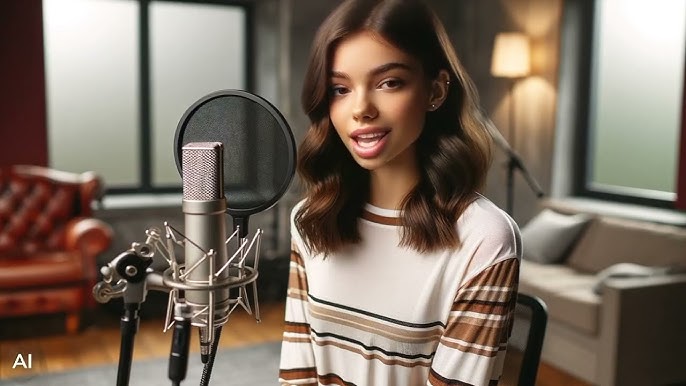
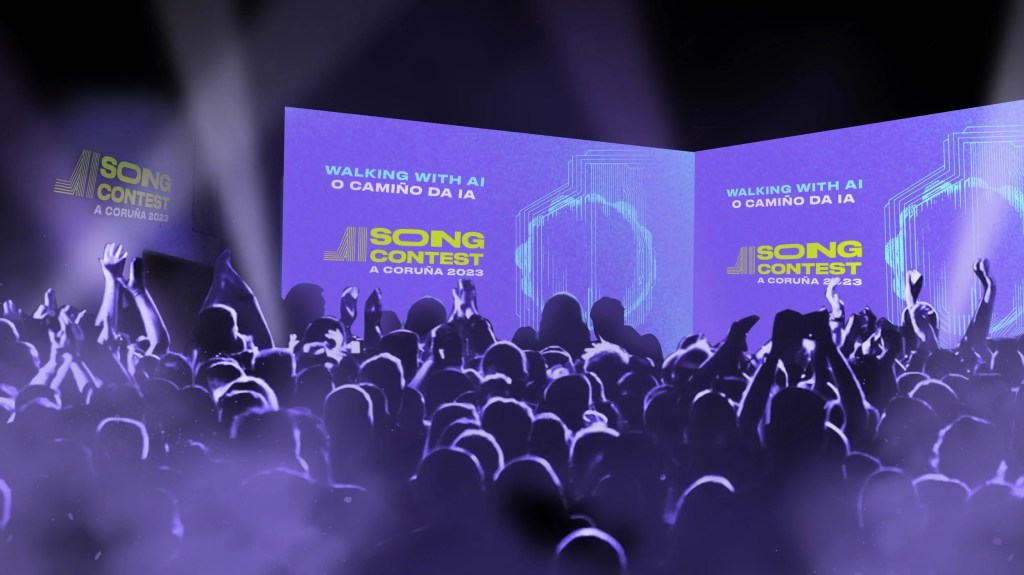
Secondly, I predicted that AI used in transparent ways for creative purposes will generally sit more comfortably with people than those trying to mimic humans. As I found with Anna Indiana, there was something eerie about the lack of actual human involvement behind her. Uses for AI, such as the AI Song Contest, where participants experiment and collaborate with AI to create songs, explaining the creative process and the models they used throughout, are much less ambiguous and easier for people to wrap their heads around!
I ultimately reached the conclusion that musicians – and everyone, really – should not be afraid of AI. It’s not disappearing any time soon, I’m afraid! In fact, I do think that over time it will become less of a stigma; upon the invention of any new form of technology throughout history, there have been fears and scaremongering about the negative impact that it might have on humanity – whether justified or not – and yet nowadays we don’t think twice about using them in our daily lives, such as the computer, or devices that can play music. Also, as we will see, AI can be used for some really cool things! We should harness it the best we can, or at least be open-minded enough to explore it, so as not to be left behind.
WHERE IS AI NOW?
AI Artists
AI artists have been taken to a new level since Anna Indiana. There have been a flurry of AI artists appearing on the scene, including the R&B-style Xania Monet and the Country-style Breaking Rust, both of which made it onto various charts. Other AI-generated songs have also gained traction, such as ‘We Are Charlie Kirk’ by Spalexma, which reached number 1 on Spotify’s Viral 50 songs chart for the USA and globally, and ‘A Million Colors’ by Vinih Pray broke onto TikTok’s Viral 50 chart.

Could this be the future of music? I’m not convinced. Rather than people’s actual fondness of the tracks, it is more likely the novelty, hype and debate surrounding AI that has attracted such attention to these songs. For instance, whilst I do not think these songs are bad as such, just knowing that they have not necessarily been created or performed by actual humans makes me feel slightly sceptical about them, whether subconsciously or not. In fact, a study by the global music streaming platform, Deezer (2025), showed that “66% of music streaming users say they would listen to 100% AI-generated music at least once, out of curiosity,” but that “45% of music streaming users would like to filter out 100% AI-generated music from their music streaming platform.”
Deezer has also flagged an issue; their AI detection software found that 50,000 AI songs are uploaded to the streaming platform daily, 34% of total uploads (ibid.). They also found that 97% of listeners in their study could not recognise if a track was AI. Not only does this highlight the importance of transparently labelling tracks, i.e. being clearly tagged as AI, but it also has major implications for the distribution of royalties, as we will see.
Legal Implications
One area which I didn’t cover in my dissertation, but which is a vast and complex issue, is the web of legal implications AI creates for the music industry, issues that are only going to multiply as AI gains even more traction. I can only hope to skim the surface here.
As touched on above, the influx of AI songs onto streaming platforms means new structures must be constructed to calculate royalties, such as including detection systems to determine which songs are AI-created, and to what extent. Otherwise, the risk stands that spam AI tracks posing as human artists eat into the royalties otherwise earned by human artists.
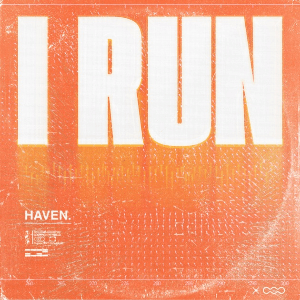
Another issue that has caused major legal disputes in the industry is how AI is trained. AI learns from existing material that it finds/is fed, and, unsurprisingly, not all artists are too happy with their music being used to train AI without their consent. This has recently led to the controversy surrounding the track ‘I RUN’ by HAVEN. Released in October 2025 by British producers Harrison Walker and Jacob Donaghue, it used AI-generated vocals. What caught people’s attention was that these vocals sounded like the popular British singer, Jorja Smith, so much so that the track was taken down from Spotify, TikTok and the Billboard charts over allegations of impersonation. The track has now been re-released with the human singer Kaitlin Aragon.
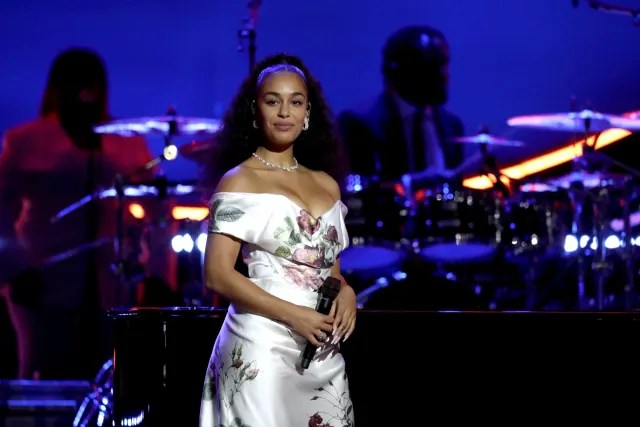
Whether or not the AI used was indeed trained on Smith’s vocals remains unknown, but it poses significant implications for the use of AI in tracks and the legal frameworks surrounding it. For example, major labels such as UMG and Warner have signed deals with the AI music generators Suno and Udio to prevent the use of stolen work, which the labels have already accused Suno and Udio of doing.
It is unclear how many more major changes to the legal landscape of the industry will be made in the coming years with the increasing prominence of AI, but it is clear that there will be many. It is evident to me that emphasis must be put on maintaining maximum fairness for human artists, including the distribution of fair royalties and requiring full consent before their music or vocals are used to train AI. I also believe that full transparency should be required in terms of how a song is created, i.e. to what extent AI has been used, so listeners have full awareness of the nature of the music they are listening to.
Used as a tool
Once it is established how AI can be used in a legal and fair way, it becomes apparent that its capabilities as a tool for musicians are vast and becoming increasingly advanced. Its ability to create new melodies and lyrics, for example, could be used as inspiration; various AI programmes such as LANDR and iZotope allow users to mix and master their tracks from their laptops; and album artwork could be generated using AI image generators. Ultimately, AI allows various aspects of creating and releasing music to be more accessible.
While this understandably leads to concerns over the replacement of human jobs, which is a very real possibility and is already beginning to occur, I believe the best way to stay afloat is to learn how to use AI to our benefit. The rate at which AI is progressing is unlikely to slow down, and so to put it bluntly, we must not get left behind!
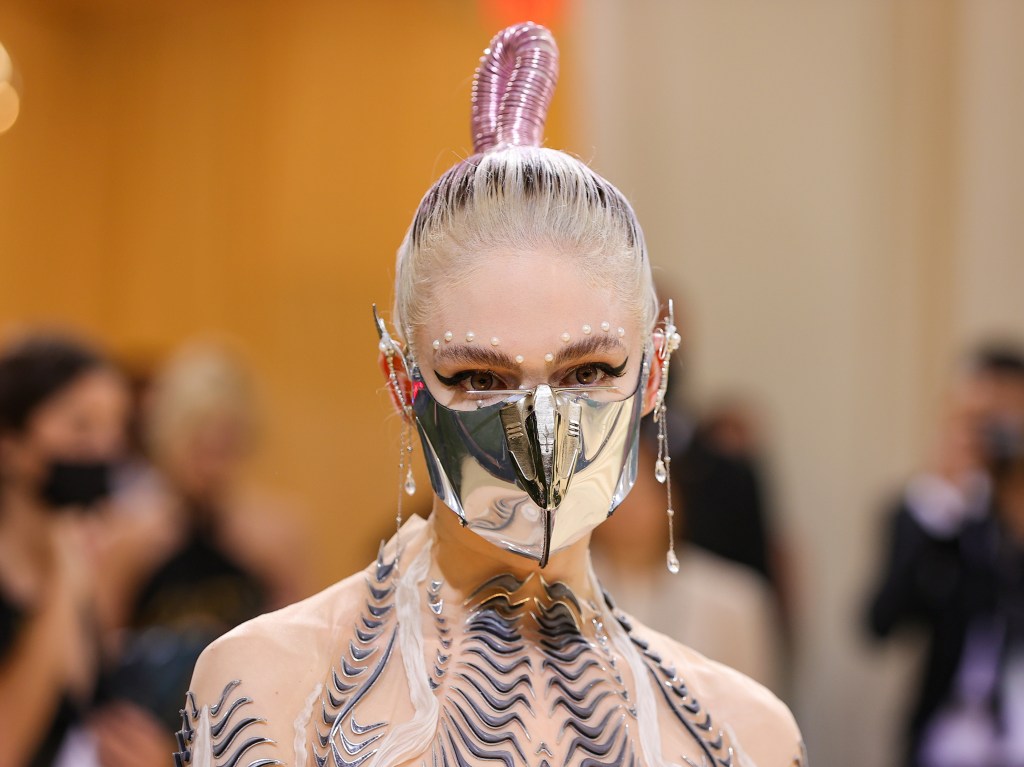
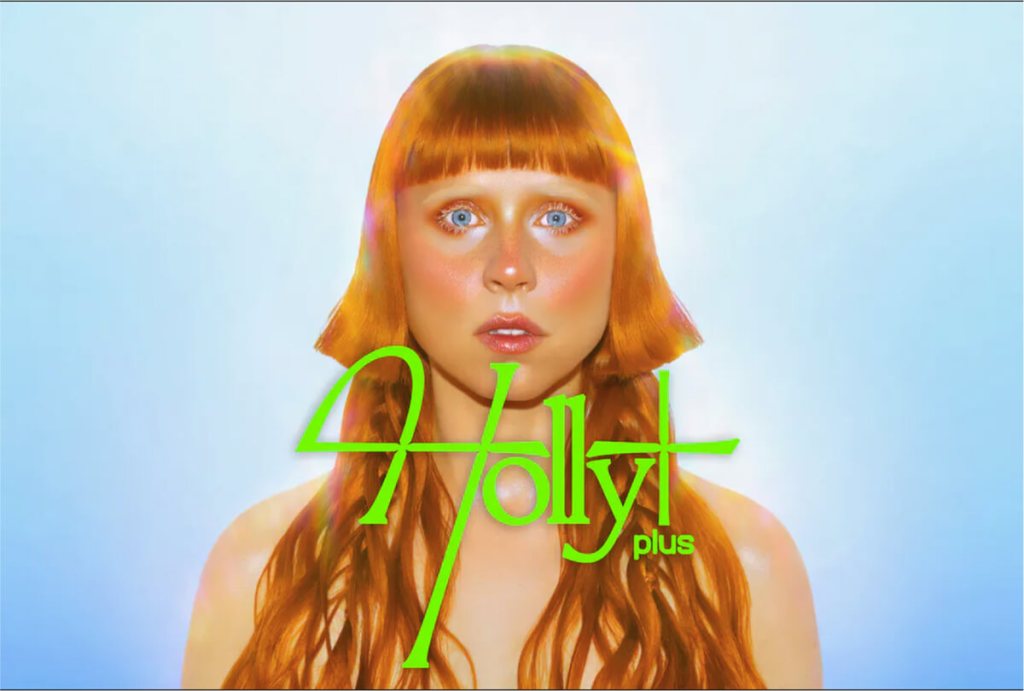
A couple of artists in particular have demonstrated just some of the possibilities that AI affords, namely, Grimes, who has agreed to split 50% of the royalties with anyone who creates a successful track using her voice, promoting the “idea of open sourcing all art and killing copyright” (cited in Savage, 2023). Similarly, Holly Herndon created an AI model called Holly+, which allows users to create music using her voice.
There is also evidence that listeners still value genuine human experiences and emotions, something that AI might be able to mimic, but will never be able to feel for itself. I believe this will be a major drawback for AI music. Music is one of the most personal and subjective human phenomena, and to take away this wonderful aspect of the art form would greatly diminish its power. I would argue, therefore, that human-created music will continue to prevail, at least in the meantime. Olivia Dean’s explanation of the truth behind her lyrics summarises this perfectly:
When it comes to music, then, I believe that as long as fair legal frameworks are in place, AI can be used as a tool, but due to the fact that many people value genuine experiences and feelings feeding into the music they hear (which has been the case throughout history), there is no immediate risk that AI music will replace human music.
CONCLUSION
Comparing AI’s current position in and impact on the music industry with 2-3 years ago shows that its capabilities, as expected, have continued to improve, and it is gaining increasing traction, with songs by AI artists actually making it into the charts – Anna Indiana would be proud! However, there is still controversy around AI being used to sound like a human, as seen with ‘I Run’, and it seems that people still put great value on music being injected with genuine human experiences, something that AI simply cannot achieve. Hence, I do not believe that AI music will overtake human music any time soon. At least when it comes to music, then, I see no current risk in at least experimenting with AI and learning how to use it to our advantage, rather than being fearful of it. We must, however, ensure that it is used in a transparent and fair way, being mindful of its legal implications.
These are exciting times, and it will be fascinating to continue watching how AI will develop and how the industry will adapt!

Deezer (2025) Deezer/Ipsos survey: 97% of people can’t tell the difference between fully AI-generated and human made music – clear desire for transparency and fairness for artists. https://newsroom-deezer.com/2025/11/deezer-ipsos-survey-ai-music/ (Accessed 30 Jan 2026).
Savage, M. (2023) Grimes says anyone can use her voice for AI-generated songs. https://www.bbc.co.uk/news/entertainment-arts-65385382 (Accessed 31 Jan 2026).
 A Musician's Corner
Leave a comment