
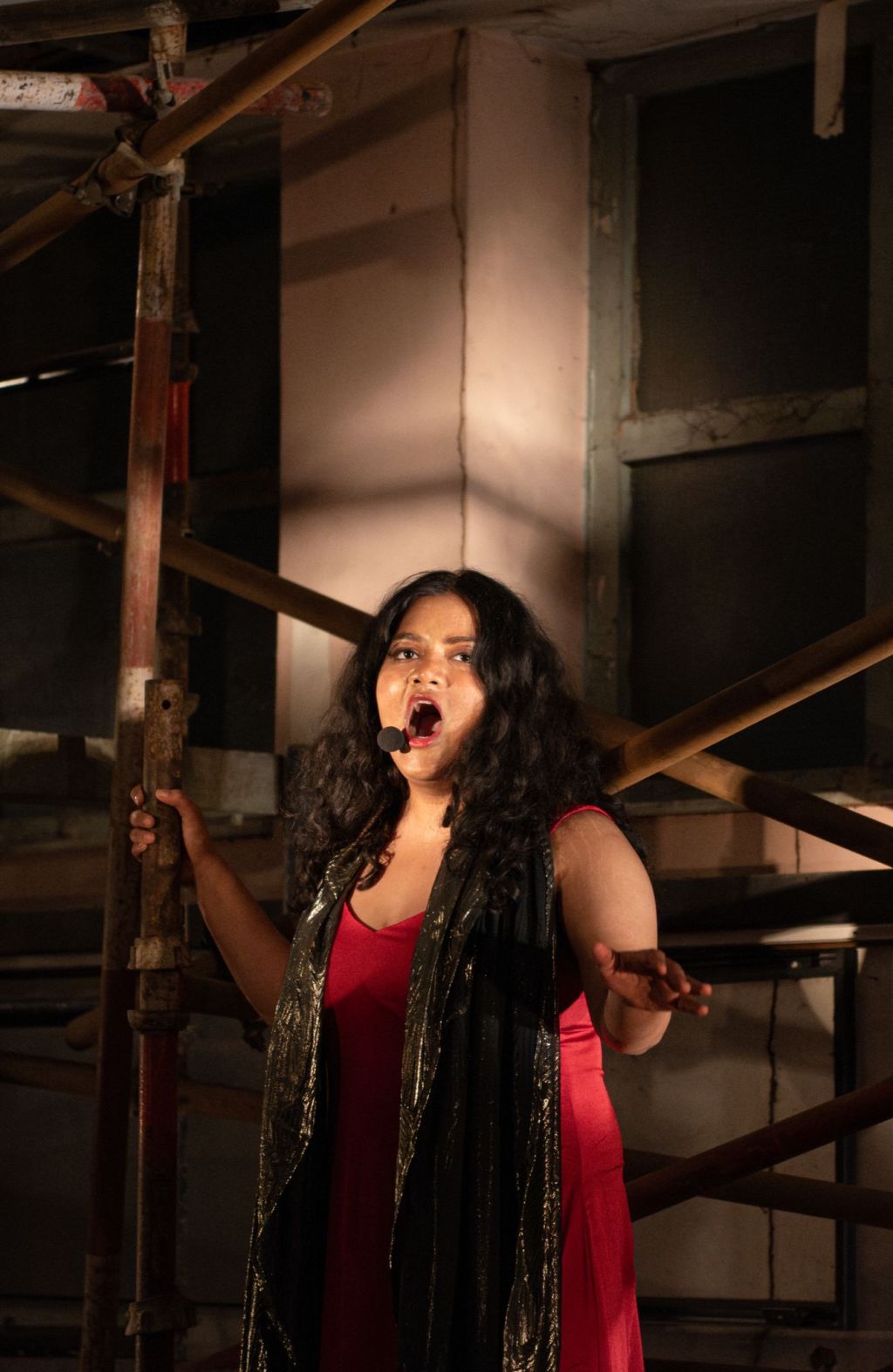
Aastha Mohapatra is a 24-year-old economist and operatic soprano from Odisha, India. We originally met at Hertford College, and I was delighted to reconnect with her recently to chat about her inspiring journey. I am excited to share the fascinating perspectives she gave on music, including how to engage with audiences and how music can bridge cultures, and she imparts advice for aspiring artists.
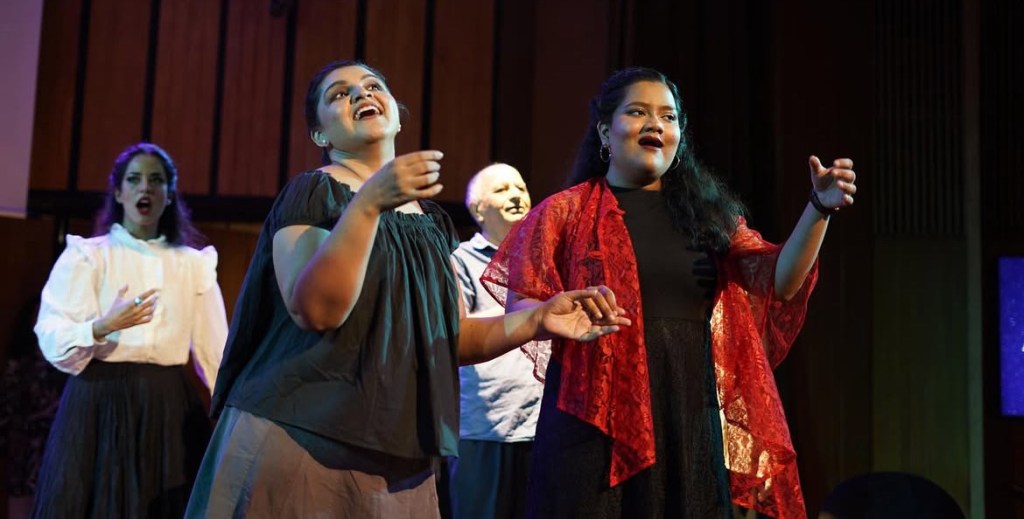
Since graduating from Oxford with a Master of Philosophy in Development Economics and International Development, Aastha has become a teacher of Economics and Business Management at The British School in New Delhi. Alongside her career in economics, she has featured in operas, a film, has released her first single, won international awards for her performances, and is a board member of the Centre for Peace and Performing Arts – a woman of many talents!
Engaging Audiences
As most musicians will have experienced, there is sadly a decline in government support for the arts around the world, leading to talent going “unnoticed and unsupported.” Aastha makes the crucial observation that to combat this, we must think carefully about how to engage audiences with music. She has noticed that
“people realise how important [music is] when you directly interact with them.”
This means presenting live performances that relate to them and paint a picture of the world around them.
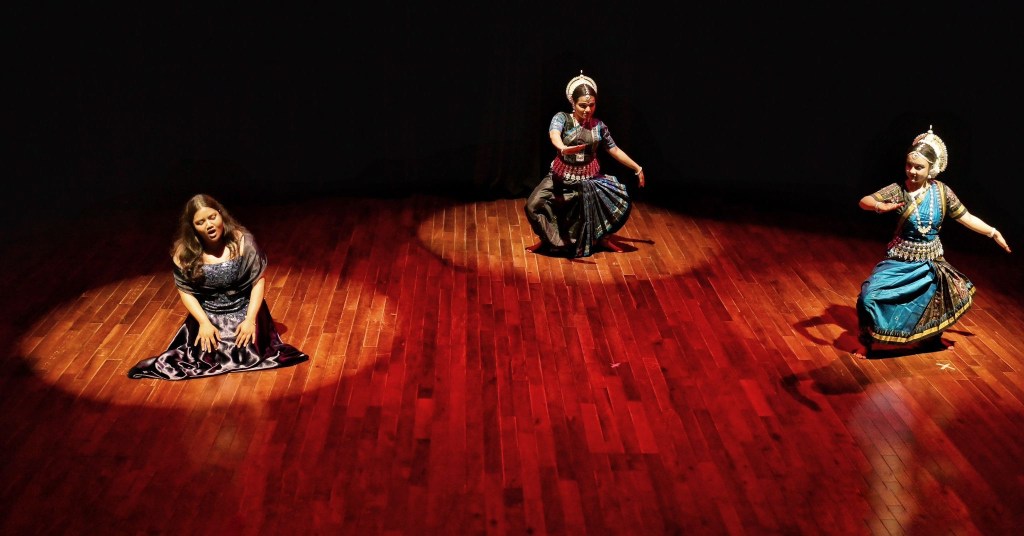
Aastha’s innovative combination of opera with Odissi, an Indian classical dance form, achieved this. Indian audiences were introduced to the Western classical art form in a way that also incorporated their own culture, being shown that “art is not static” and “keeps on moving and changing.”
As the future generations of musicians, particular focus should be given to young people and how to engage them with music. Since “the age of specialisation is gone,” Aastha argues that the interdisciplinary nature of music should be emphasised, and instead of being taught in isolation from other subjects, it should be taught in relation to them, such as its inextricable link with mathematics.
Furthermore, Aastha suggests that young people should be involved as “active practitioners of music rather than passive listeners.” For example, with the Centre for Peace and Performing Arts, she created an ‘audience choir’ – for a viral example of this, check out Jacob Collier! She encouraged the children to listen sensitively to those around them to produce a unified sound. Not only were the children able to participate in music-making in an active way, but they were also taught essential communication skills, which, as she noted, are crucial for diplomacy.
To increase engagement with music, therefore, live performances should be prioritised with content that is relevant to people’s lives, and the art form should be introduced to young people in an interdisciplinary and active way.
Music as a Universal Language
You might have heard the phrase, ‘music is a universal language.’ Aastha’s story is a perfect example of this.
As an Indian singer who performs Western classical music, she is in a unique position – as she highlighted, opera is seldom practised in India. Moving to the UK for her studies made this even more apparent.
She often received comments about how rare it was to come across an Indian opera singer and noticed that she was usually the only person of colour when performing Western classical music in a group. These experiences made her realise that
“I’m an Indian opera singer, and that means something.”
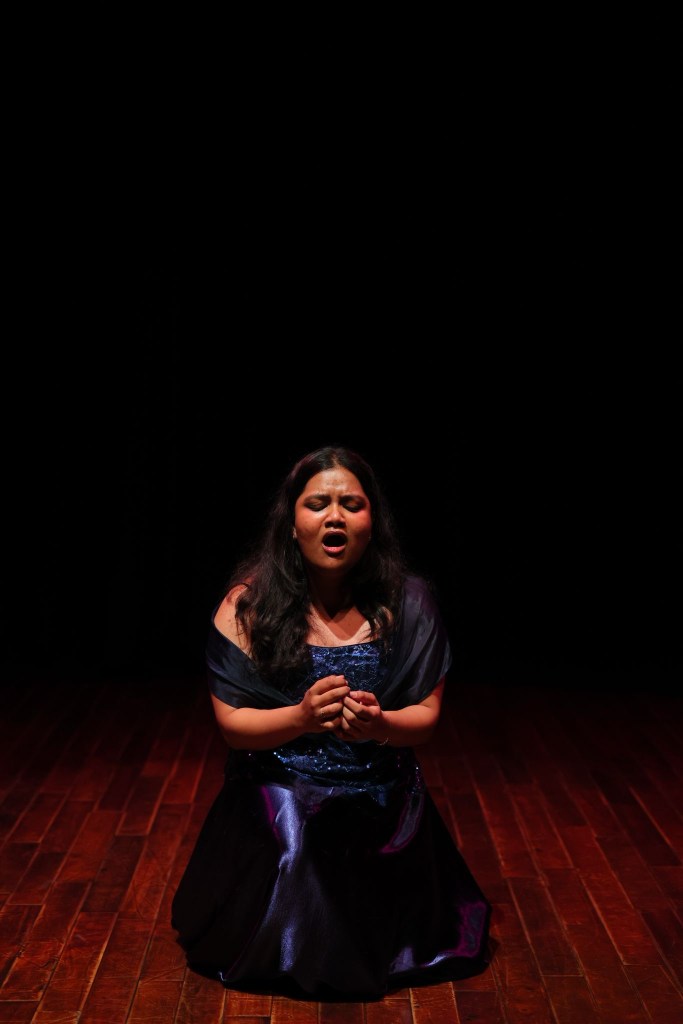
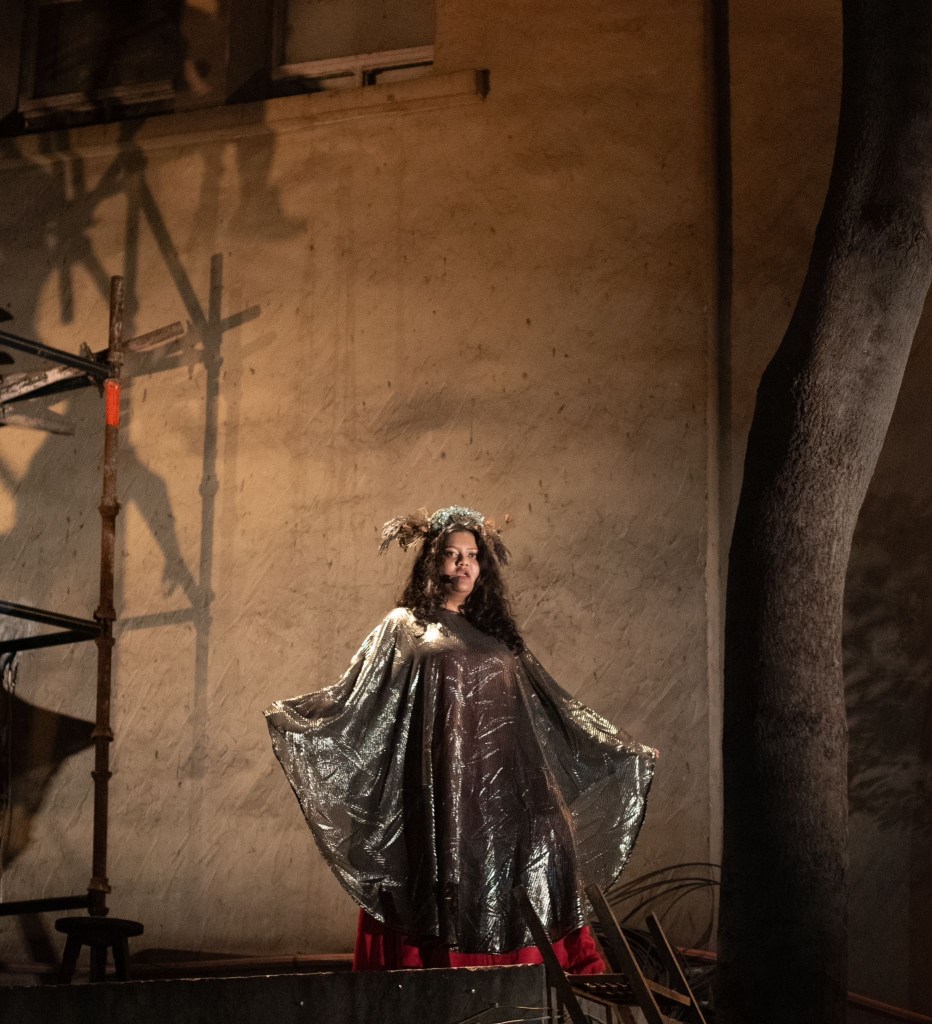
Aastha proves that anyone can perform music from any culture; if the music resonates with you, “language is no barrier.” Music has allowed Aastha to find out more about the world around her by introducing her to new cultures and new people, poignantly referring to it as a “passport,” a notion I love!
Although she is often impressively cited as being the first opera singer of Odisha, she has made it a point to ensure she is not the last. I am certain that she will act as an inspiration for many musicians!
Advice
Aastha’s biggest piece of advice to aspiring musicians is not to be afraid of taking risks.
“If there is something that feels like it’s a little bit unconventional or something that others might not have tried before, do it if it really calls out to you.”
Particularly in an age where “young people are underestimated a lot”, she believes there is great merit in being brave and standing out, especially in such a competitive industry.
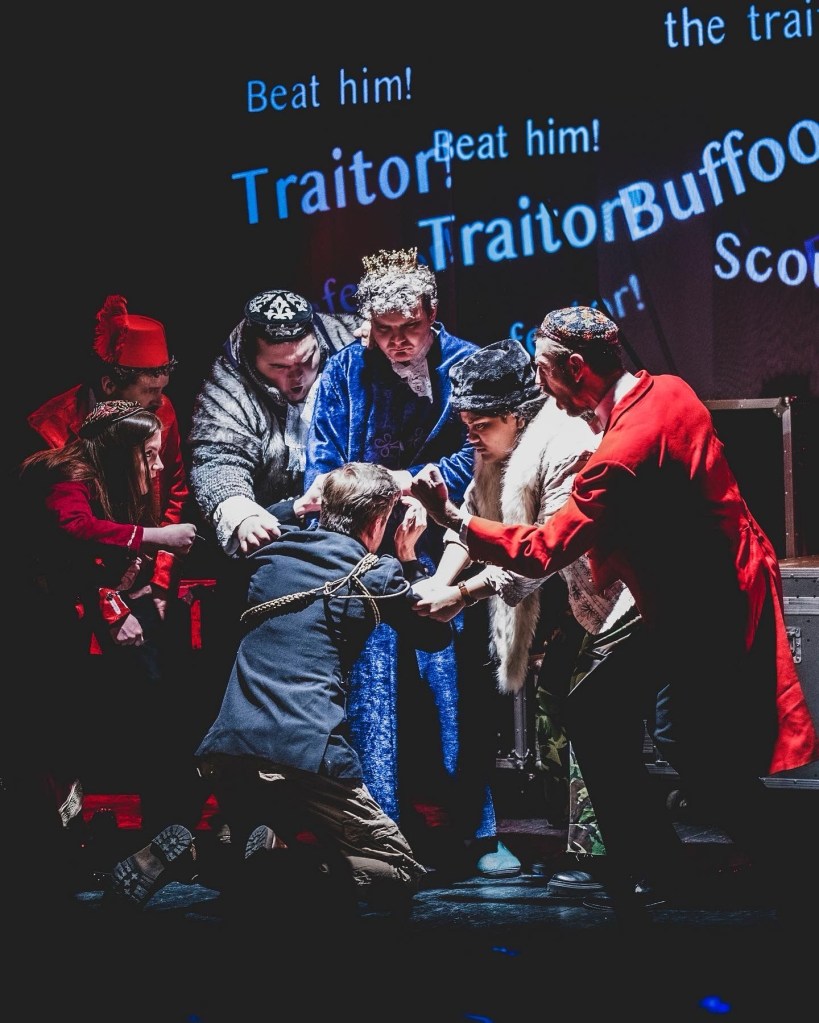
She also highlights that,
“as an artist, you are always rewarded for being fully yourself.”
Whilst this is not always the easiest thing to do (Aastha notes that she only truly became herself when she was 24 years old and that it is a continuous journey), trial and error, having people to look up to, and, when it comes to singing, finding a good teacher who understands your voice will help you distinguish yourself as an artist.
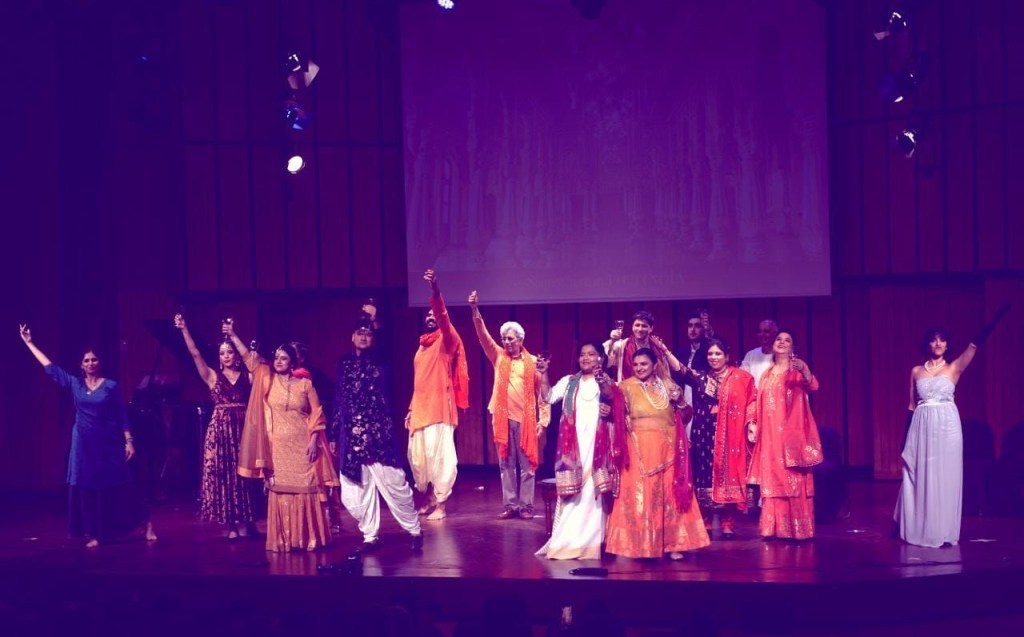
Aastha’s career so far has been unique and inspiring, and she has exciting plans to come. She will continue to perform around India, with a particular emphasis on bringing underperformed music by Indian composers to audiences. She also composes music for peace-building productions with the Centre for Peace and Performing Arts (which are coming to London – so keep an eye out if you are in that part of the world!)
She expresses articulate and thought-provoking perspectives about how to engage audiences with music, and her courage to pursue a genre that may have seemed unconventional proves how music can bridge cultures and the importance of following what ignites your passion.
I eagerly await seeing where Aastha’s journey will lead!

