Tag: live music

  • Tarren: Pioneering ‘New-Folk’

    Tarren: Pioneering ‘New-Folk’

    Tarren, a talented and exciting folk trio based in Bristol, comprises Sid Goldsmith on cittern and concertina, Alex Garden on fiddle and Danny Pedler on accordion. The group was formed following the sharing of compositions with each other over lockdown, and their repertoire, which mostly features originals, is rooted in English folk music. They have released two studio albums, both of which have received high acclaim. Bright Young Folk, for example, have described how their latest album, Outside Time, “conveys the joyful energy of their live performances and shows why Tarren are one of the most exciting names on the folk scene”.1 The Isle of Man was lucky to have Tarren visit on their Autumn tour around the UK, playing at the Laxey Working Men’s Institute on 24th October 2025. Before they went on stage, I was able to steal a few minutes with them for a quick chat. I was fascinated to learn about their perspectives on genre and how this feeds into their music, as well as the research they have undertaken into notions of gender in the folk tradition. I’m sure you will become as entranced by their music as I was – I must admit I have played them on repeat ever since! 
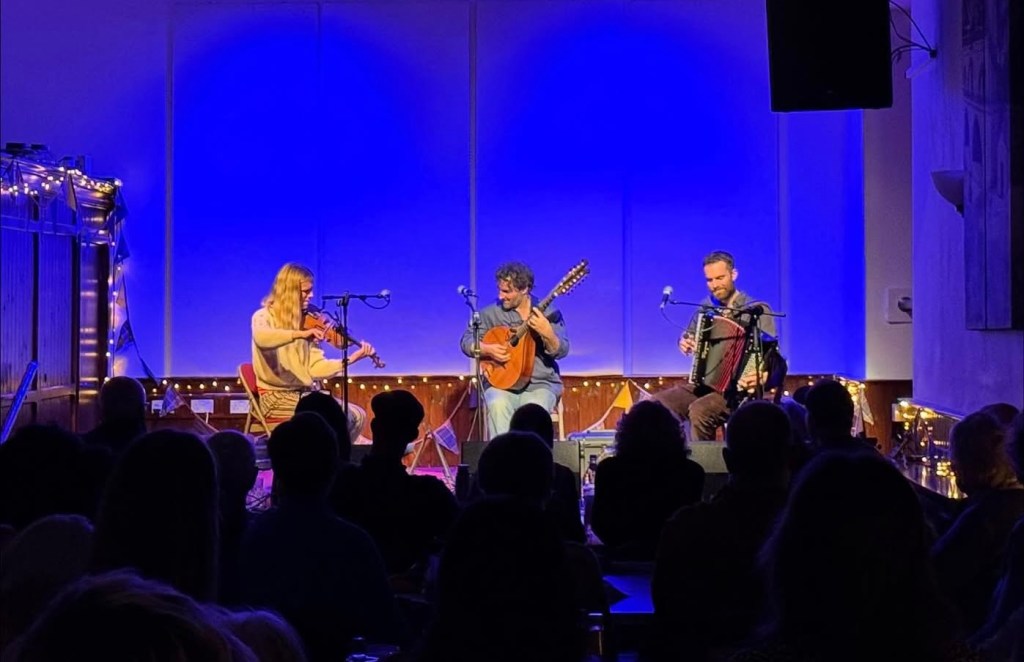
    Tarren at the Laxey Working Men’s Institute, Oct 2025. Photo: John Barker.

    The concert was unforgettable, and the music was thoroughly gripping. With melodies that ranged from joyous, for example, ‘Claudia’s,’ to those with a melancholy undertone, such as ‘Super 8,’ all created a powerful atmosphere. The strong rhythmic pulse made it impossible not to tap your foot along, emphasised with moments of syncopation, changes in time signature and the occasional replacement of a beat with a rest, which was highly impactful. There was such intensity and life to the playing, which was infectious, and it is difficult to capture the raw emotion and power of the sound they created in words. They were note perfect, and the ensemble was so tight, which, with such intricate music, was impressive. There were many interweaving layers, constant variation in sound and style, and contrasting intensities – for example, suddenly dying away then building up again. The rich and full sound created from just three people was all-encompassing, with each instrument bringing its own unique texture and dimension, such as the heavy bass of the accordion and the intense and hoarse tone of the fiddle when Alex really dug into the strings; each player getting the most out of their instruments. They were engaging and natural with the audience, coming across as down-to-earth and funny, and they detailed the stories behind the songs, many being relatable and relevant to today, as well as tying to their own personal experiences – more on that soon. Overall, the concert was enjoyable in every aspect.

    A unique component of Tarren’s music is their incorporation of classical elements; as they explained to me before the concert, they believe there can be a rub between folk and classical music. They highlighted how

    Therefore, they do not belong to one specific camp; hence, they call their style ‘New-Folk.’ They use classical techniques and features, for example, longer structural forms, but inject a folk ‘pulse.’ You can also hear minimalist influences, including repeating and overlapping patterns creating a polyphonic texture and mesmerising harmonies which slide deliciously from one chord to the next – listen out for some of these in ‘Dan-Y-Bont’ below.

    I am also reminded of Baroque music, in the way that each line has its own distinct melody and in the clarity of the sound and harmonies.

    As the trio poignantly highlighted,

    and they demonstrate this perfectly – at the end of the day, it is what resonates with listeners that is important, a sentiment that I fully support.

    I believe this flexible mindset should be adopted broadly. The boundaries between musical genres are becoming increasingly blurred; think, for example, of the use of classical timbres such as strings in popular music, and I think this type of crossover should be encouraged more. For example, despite being inspired to play violin after hearing folk music when I was young – I was obsessed with Riverdance! – as a musician who has been classically trained, I have had little to no exposure to playing folk music or using folk methods, such as playing by ear or in an informal group setting, as is folk tradition. Tarren reminds us that there does not need to be a strict divide drawn between genres and that they can (and should!) have a more fluid relationship.

    The trio have done valuable and enlightening research into themes of gender in folk music, and have compellingly adapted traditional songs to align with their own personal experiences and with today’s society. In an article about their research, Danny notes that there are many folk songs, particularly from the 17th and 18th centuries, about ‘warrior women,’ which tell stories of women who disguise themselves as men and subsequently encounter feats they would never ordinarily have faced as a woman, such as entering into battle or acting as highwaymen.2 At face value, these songs might appear as the progressive subversion of gender constraints, but as Danny acknowledges, it is unfortunately not the case. By accomplishing stereotypically ‘manly’ traits such as bravery and virtue, “the woman has excelled at being a man, not broadening what it means to be a woman.” Furthermore, the motivations for these fictional women were usually to follow after a man who had been conscripted, for example, and on their return, they land safely back in their domestic role to fulfil their womanly duties. These songs, in their outrageousness, were merely intended for entertainment, rather than transgressing gender boundaries. 

    Tarren takes such songs, however, and reinterprets them, using them as a way to broaden the traditional conceptions of gender. Their original composition, ‘Neither Maid nor Man,’ does this elegantly. As Danny notes,

    Featuring re-written versions of ‘The Female Cabin Boy’ and ‘William Taylor,’ where both female and male gender expectations are subverted, the final verse reflects the journey of Tarren’s own Alex coming out as non-binary. It is a subtle yet highly impactful spin on a historical folk tradition, making it relevant to the 21st century and their own experiences. 

    Tarren are a highly talented trio whose unique interpretation of folk music is utterly captivating. By not confining themselves to a specific genre, they have opened up a range of musical possibilities, as well as reminding us that genre does not have to be so clear-cut. Also, sensitive to the sometimes exclusionary themes of traditional folk songs, they have brought awareness to this and have reinterpreted them to bring them up to date with today’s ever-changing culture and society. Music does not exist in a vacuum – there is no reason that genres cannot be blended, or that traditions cannot be altered to align with the current times.

    1. ‘Press,’ Tarren, https://tarrenmusic.com/press. ↩︎
    2. Pedlar, D., ‘Neither Maid nor Man: Tarren explore gender variance in British Folk song,’ Tradfolk, 2024, https://tradfolk.co/music/songs/gender-variance-folk-song-neither-maid-nor-man/. ↩︎
  • Billie Eilish: HIT ME HARD AND SOFT and the Value of Authenticity

    Billie Eilish: HIT ME HARD AND SOFT and the Value of Authenticity

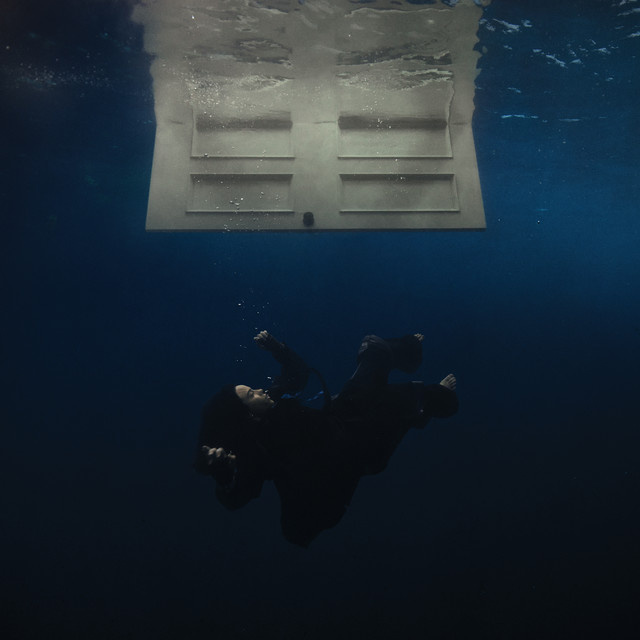
    I have to admit I played this album on repeat when it first came out! It is sensitive, heartfelt and bold, weaving through a variety of moods, from the flirty and provocative ‘LUNCH’, to the delicate and restrained ‘WILDFLOWER’.

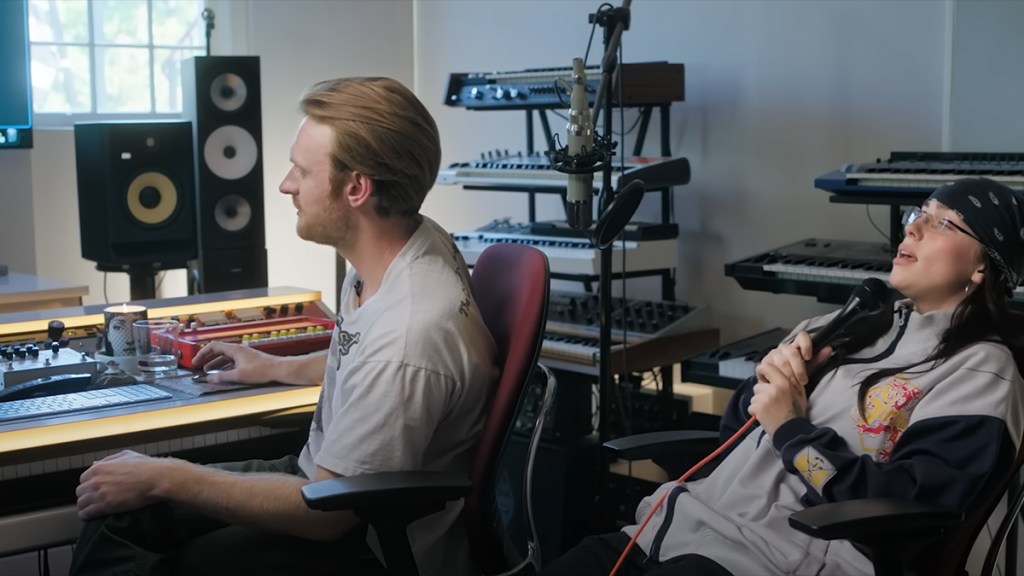
    Some other stand-out moments for me are the cheeky and sarcastic first half of ‘L’AMOUR DE MA VIE’, with its catchy melody and Billie’s effortless and perfectly satisfying vocal runs, and ‘CHIHIRO’, a song with many layers, building from controlled intensity to unleashed desperation. This track is particularly addictive, with its cool, atmospheric bassline (a feature which Finneas has mastered throughout this album and is one of my favourite elements – you can’t beat a catchy, prominent bassline in my opinion!) and the way the beat occasionally cuts out adds tension and drama.

    The final track, ‘BLUE’, ties together the whole album by subtly linking back to previous songs in the album. For example, its melody is introduced at the end of the previous song, ‘BITTERSUITE’, which the line ‘I’m still overseas’ also references; ‘I thought we were the same / Birds of a feather’ is an echo of the track ‘BIRDS OF A FEATHER’; and ‘I told you a lie, désolé, mon amour’ hints at ‘L’AMOUR DE MA VIE’. I like the sense of coherence this creates in the album – it makes it seem like a journey through a labyrinth of emotions, culminating in this final track.

    Finneas’ masterful production helps make this array of emotions come alive, with music that conveys the meaning of the lyrics, such as the flirty bassline accompanying the mischievous lyrics in ‘LUNCH’, or the dramatic strings and drum crashes in the climax of ‘THE GREATEST’, intensifying the feeling of desperation and anger.

    Some critics have been slightly less complimentary, however. For example, Fantano (2024) describes it as “safer” and “taking less risks than her previous albums”, and Jocelyn (2024) claims that “the insistence on multipart epics and ballads kills the momentum.”

    Whilst I don’t necessarily agree with these specific points, I do believe there are some slightly weaker moments in the album. For example, despite it being an incredibly successful single (reaching number two on the Billboard Hot 100, being the most streamed song on Spotify in 2024 and receiving three Grammy nominations in 2025), I don’t think ‘BIRDS OF A FEATHER’ has quite the same depth, complexity or emotional range as some of the others, and although it has a sweet melody, it doesn’t draw me in as much.

    Furthermore, the first half of ‘L’AMOUR DE MA VIE’ is catchy and understated, but the second half, which switches style completely, featuring blaring synths, an electronic drum beat and heavily auto-tuned vocals, doesn’t add much to the song in my opinion. The contrast is unexpected and I like that they have experimented with structure and style, however, I think the first half would have been a great song as it was. Regardless, the album as a whole is varied and has many great tracks, and the success Billie and Finneas have seen so far must count for something!

    In fact, I wanted to explore more deeply why audiences have connected with Billie and her music to such an extent. It seems that her apparent honesty and authenticity are a big factor. As Billie explained in an interview with Fadel and Harrell for NPR (2024) that,

    and that “you should just be as vulnerable as you can without thinking about how people are going to hear it, and then go from there.” In a similar vein, Finneas told Codinha for Vogue (2024), “the thing that was really important to me was really pushing Billie to be honest.”

    I think they have succeeded. Listening to the album, it doesn’t feel like they are trying to be something they’re not – it sounds like they simply sat down together and experimented with Billie’s vocals and different instruments. As Finneas told Martoccio (2024),

    They have tackled some deeply personal and sensitive topics in the album, too, such as ‘SKINNY’, where Billie gently sings, ‘People say I look happy / Just because I got skinny’ (more on the pressure she has faced for her body image later); the disconcerting ‘THE DINER’, where she sings from the point of view of a stalker – particularly eery as Billie herself has been on the receiving end; and the heartfelt and emotional tone in her voice in ‘BLUE’ when she sings ‘I’d like to mean it when I say I’m over you / But that’s still not true’. Millar (2025) notes, “Her music mirrors the struggles of her generation: mental health, identity, and the pressures of growing up in a digital age,” and this  transparency is what has drawn so many fans to the artist, making her a very relatable figure.

    Hit Me Hard and Soft: The Tour at Manchester Co-op Live, July 2025.

    Similarly, when I was lucky enough to see Billie perform live in Manchester in July (I am still dreaming back to that night!) I got the impression that I was watching a down-to-earth human, rather than an “untouchable celebrity” (Millar, 2025). It wasn’t pretentious: there were minimal special effects on the stage and Billie captured the audience purely with her mesmerising voice and masterful stage presence, and she genuinely appeared to be having fun, which was contagious! This comes across in interviews, too; she doesn’t seem to be trying to impress anyone, she is just being herself, and this is so nice to see in an artist.

    That Billie seems to have stayed true to herself amidst the pressures of fame, particularly at such a young age, is truly inspiring – she is only a year older than me, and I can’t even comprehend being in her position! As she has recounted in many interviews, however, it was by no means easy, and I can’t help feeling for her. She explained to Fadel and Harrell (2024) that,

    Especially with today’s ubiquitous and often suffocating presence of social media, Billie has struggled with the fact that “the world can see every aspect of your life and reminisce about [it]. It’s so weird” (interview with Lancaster, 2021). She has sadly suffered from depression in the midst of her fame, telling Gayle King in 2020 that “I was so unhappy last year… I was so joyless,” and that “I genuinely didn’t think I would make it to 17” (cited in Wong, 2020). 

    The scrutiny that Billie faces is the reason that she has concealed her body in baggy clothing (still looking incredibly cool whilst doing it!) for lots of her career. She is acutely aware of how her body could be used as a source of judgement like it unfortunately is for so many men and women in the public eye. Celebrities, particularly women, are increasingly sexualised – whether this is a message of empowerment or pressure from labels to boost sales is a debate for another time. 

    Even in baggy clothing, Billie hasn’t escaped scrutiny for her appearance. As she stated in the voiceover to her short film, NOT MY RESPONSIBILITY, shown at her 2020 world tour, “Some people hate what I wear / Some people praise it / Some people use it to shame others / Some people use it to shame me.” As Fitzgerald (2021) highlights, this is a wider societal issue: “The media bombards us with the message that happiness, self-esteem, and a positive image of ourselves is a reward for having ideal bodies.” Billie responds, saying, “Let’s turn it around and be empowered in that… Showing your body and showing your skin — or not — should not take any respect away from you” (cited, ibid.). This is a powerful message that she is sending, making it no surprise that she has been called “a force, a positive influence to a generation raised on social media” (Pippa Haupt, cited, ibid.). Her resilience and honesty must truly be applauded, and it inspires me, as I’m sure it does many others. 

    A highly talented artist and dynamic personality, Billie is an inspiring role model, particularly for young girls, for her rejection and resistance against what the public eye and, on a more relatable level, society, expects of her. She also serves as an important reminder that celebrities are merely human, and as audiences, fans or critics, we should perhaps treat them more gently and not expect quite so much from them all the time. 

    Brown, H. (2024) Billie Eilish review, Hit Me Hard and Soft: Pop star whispers her way to big emotional wallops. https://www.independent.co.uk/arts-entertainment/music/reviews/billie-eilish-hit-me-hard-and-soft-review-b2546074.html. (Accessed 22 Sep 2025). 

    Codinha, A. (2024) Billie Eilish Has Grown Up. https://www.vogue.com/article/billie-eilish-november-2024-cover-interview. (Accessed 5 Sep 2025). 

    Fadel, L. & Harrell, P. (2024) Billie Eilish finally remembers who she is. https://www.npr.org/2024/05/17/1251790138/billie-eilish-finneas-hit-me-hard-and-soft-interview. (Accessed 4 Sep 2025).  

    Fantano (2024) Billie Eilish – HIT ME HARD AND SOFT. https://theneedledrop.com/album-reviews/billie-eilish-hit-me-hard-and-soft-album-review/. (Accessed 5 Sep 2025).  

    Fitzgerald, R. (2021) Billie Eilish’s Vogue cover lays bare the hypocrisy of a culture that is killing women. https://medium.com/the-glitter-gold/billie-eilishs-vogue-cover-lays-bare-the-hypocrisy-of-a-culture-that-is-killing-women-7a80870c7ec0. (Accessed 6 Sep 2025). 

    Jocelyn, H. (2024) HIT ME HARD AND SOFT. https://pitchfork.com/reviews/albums/billie-eilish-hit-me-hard-and-soft/. (Accessed 5 Sep 2025).  

    Lancaster, B. (2021) Billie Eilish on her complicated relationship with the internet, the price of fame and the “new Billie”. https://www.vogue.com.au/culture/features/billie-eilish-on-her-complicated-relationship-with-the-internet-the-price-of-fame-and-the-new-billie/news-story/1c6e34914c93e17dd7299a8bd9aa1b5c. (Accessed 7 Sep 2025).  

    Martoccio, A. (2024) Billie Eilish Would Like to Reintroduce Herself. https://www.rollingstone.com/music/music-features/billie-eilish-hit-me-hard-and-soft-mental-health-fame-1235003585/. (Accessed 4 Sep 2025). 

    Millar, M. (2025) The Billie Eilish phenomenon: Why she’s so popular. https://www.xsnoize.com/the-billie-eilish-phenomenon-why-shes-so-popular/. (Accessed 7 Sep 2025). 

    Pentreath, R. (2024) How good is Billie Eilish’s singing voice, from a classical music perspective?. https://www.classicfm.com/discover-music/music-theory/billie-eilish-voice-analysis-classical-perspective/. (Accessed 4 Sep 2025). 

    Stone, A. (2017) Watch Billie Eilish Set Fire to a Bad Relationship in New Video for “watch”. https://www.vice.com/en/article/watch-billie-eilish-set-fire-to-a-bad-relationship-in-new-video-for-watch/. (Accessed: 4 Sep 2025).

    Wong, C. M. (2020) Billie Eilish On Mental Health: ‘I Didn’t Think I Would Make It To 17’. https://www.huffpost.com/entry/billie-eilish-mental-health-gayle-king_n_5e2af414c5b6d6767fd2c89c. (Accessed 25 Sep 2025). 

  • OK Computer: A Manx Radiohead

    OK Computer: A Manx Radiohead


    On the 15th August 2025, I met with OK Computer, a Radiohead cover band from the Isle of Man. They were setting up for one of the last rehearsals before their concert on the 22nd. One by one, the six members trickled in, carrying their many instruments into the relatively small studio while I picked their brains. I learned about their favourite songs to play, those they find most challenging, and gained insights into what it is like to cover one of the most renowned, prolific and varied bands of the 21st century. The gig the following week was top-notch and the audience of dedicated Radiohead fans loved it – it has been fascinating to delve into why Radiohead has such a draw for so many listeners. 


    First playing gigs in 2018, OK Computer was formed when Dave Brew, lead singer (‘Thom Yorke’), was tired of being rejected when he suggested to his other bands that they play Radiohead. He reached out to other musicians that he thought might be interested and pretty instantly had a group formed. They have since played many gigs around the Island, featuring a mix of Radiohead songs from various albums, once playing through the full OK Computer album, and have steadily amassed a strong and dedicated following. 

    OK Computer (1997) album cover

    With the opportunity to speak to the members, I wanted to gain some insight into the inner workings of the band, such as how they decide which songs to play. Unsurprisingly, owing to Radiohead’s vast output, they said choosing what to play requires about 20% compromise; even their band name was chosen via a referendum. There are certain songs that they have found particularly tricky to learn, including ‘2+2=5’ and ‘Pyramid Song’, due to their unusual metres, ‘The Tourist’, because of how slow it is and therefore difficult to stay in time, but they highlighted that it varies for each instrument. They have also picked up on which songs are the most popular amongst audiences, such as ‘Fake Plastic Trees’, ‘Bodysnatchers’, ‘Let Down’ and ‘Creep’. At the gig, I too noticed that ‘Karma Police’ and ‘Street Spirit (Fade Out)’ were particularly well-received, really engaging the crowd. My personal favourites were ‘Myxomatosis’ and ‘Paranoid Android’; the atmosphere they created was electric.

    The band learn the songs from live versions rather than studio ones; these would be impossible to replicate. You could therefore pick up on certain features that aren’t present in the studio recordings, for example, I especially enjoyed the extra syncopated bass idea in ‘Myxomatosis’.

    Rehearsals

    Radiohead are notorious for being ‘depressing’, and I was curious as to whether playing so much of their music can get heavy. But no, they said, 

    Even the ‘sad’ ones, such as ‘Let Down’, they acknowledged, are actually uplifting and often build. They captured this excellently in the gig, for example, the increase in intensity in ‘How to Disappear Completely’ was very impactful and really stood out to me. 


    At the gig, I was impressed by the sound they produced and the quality of their playing. They are superbly talented – the songs were played flawlessly and were so tight and well-rehearsed; every member knew exactly what they were doing. With Radiohead, this is crucial – with many layers, changing time signatures and unusual instruments/techniques used, their songs are complex and unpredictable. Demonstrating their versatility, the band members often switched instruments and added new instruments for certain songs, such as a drum machine for ‘Idioteque’, and their stamina is admirable – three straight hours of Radiohead must take some concentration, to say the least! They really captured the essence of Radiohead – from the clips of radio played between songs, to the pre-programmed keyboard sounds, to the tone of the guitars – and the audience loved it. People were dancing and singing the whole way through – there was even a mosh pit towards the end!

    Villa Marina Promenade Suite – August 2025

    The band has had a great turnout since the beginning, with audiences spanning generations, from as young as teens. I wondered what it is about Radiohead that has made them so popular for so long and attract such a wide variety of listeners. Asking OK Computer what they thought, they suggested it might be because Radiohead are constantly evolving – each album is unique, with something for (nearly!) everyone, and they blur boundaries, making it difficult to assign them to a single genre – OK Computer couldn’t even decide between themselves. Another point they raised is that 

    For example, in their rebellion against the dominance and hegemony of major record labels and the imbalanced distribution of funds, meaning artists themselves profit marginally from singles and album sales, their 2007 album In Rainbows (my favourite album, as well as Dave’s) was self-released as a download. With no set price, fans were able to choose how much they paid for the album, which could be as little as nothing (plus an administration fee of 45p). This departure from conventions and widely accepted structures is part of the reason they are such a unique band. They experiment with their music; for example, OK Computer described them as using their instruments like toys. I love this idea – it captures how, like children, they are unconfined by traditional methods and sounds, resulting in much more creative results. It also has a lot to say about what people value in music: authenticity, personality and creativity.

    OK Computer is a fantastic tribute to Radiohead, with a deep understanding and genuine appreciation of the band and their music. Individually, they are very talented, and they blend seamlessly into a band together. If you are a Radiohead fan on the Island, I would thoroughly recommend you catch them at one of their next concerts!

  • Interview With Max & Veronica

    Interview With Max & Veronica

    An inspiring Italian duo bring the acoustic blues to the Isle of Man

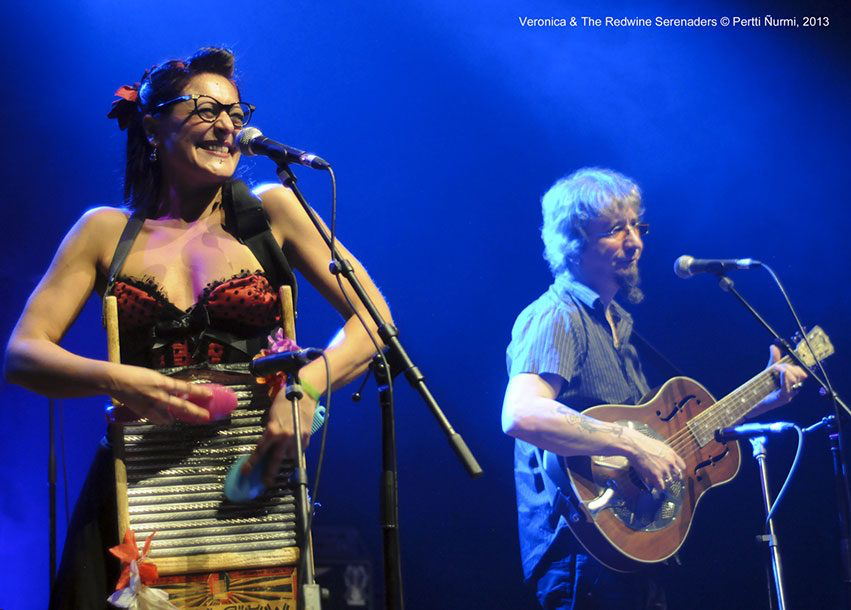
    On 12th July 2025, I attended a concert by Veronica Sbergia and Max De Bernardi at the Laxey Working Men’s Institute on the Isle of Man. An Italian acoustic blues duo, Max and Veronica have performed globally with their quirky, charming sets which feature a variety of country blues, ragtime, and vaudeville songs. Extremely talented musicians, they expertly play a range of instruments from the mandolin to the washboard, and through their singing, they evoke great emotion and energy. They won the European Blues Challenge in 2013 with The Red Wine Serenaders, represented Italy in the International Blues Challenge in 2015 and have recorded several albums, with more to come. In addition to watching Max and Veronica perform, I had the privilege of meeting them beforehand and chatting with them about their lives and music, which was fascinating and highly insightful. This article will review the concert and explore some of the areas we spoke about, including their genuine passion for music and how important they believe this to be; their desire for the acoustic blues to reach a wider and younger audience; and the prejudices they have faced due to their position as Italians playing American music, an intriguing issue which I will delve into more deeply.

    Concert review

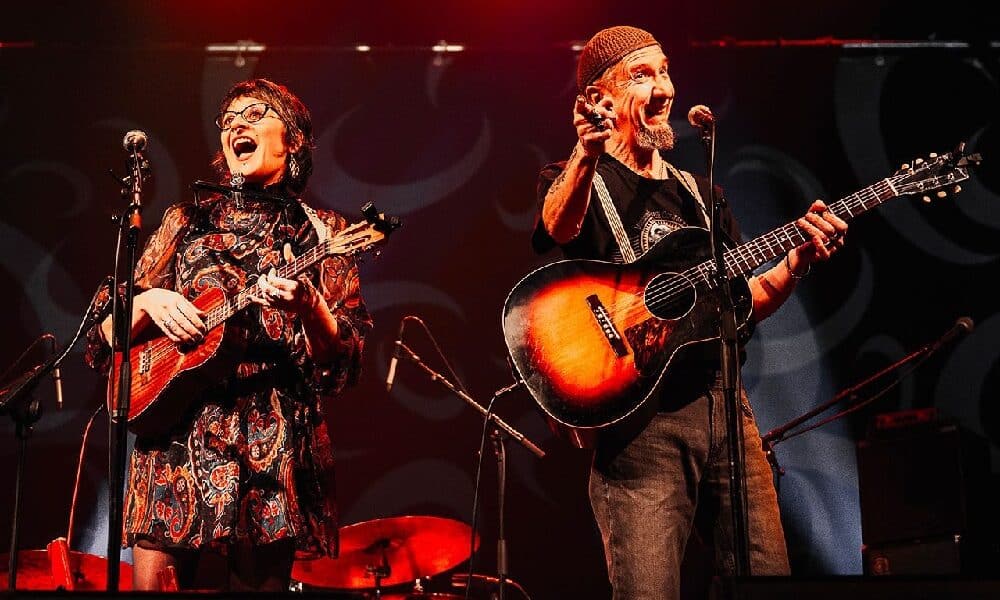
    The pair were a joy to watch. Their skill and infectious enthusiasm made it a truly memorable evening. Veronica’s voice is strikingly powerful and has a gorgeous, rich tone which perfectly suits the genre. Max’s incredible skill on the guitar and mandolin is mesmerising, and this, combined with his characterful vocals harmonising with Veronica’s and her unique washboard and kazoo playing, made a thrilling sonic and visual experience. To enhance the music, they told the audience about some of the history behind the songs and the stories that are told through them, which gave us a greater understanding of the music and painted vivid imagery to go along with it. The duo also interacted with the audience by encouraging us to clap and sing along, to get maximum enjoyment and appreciation from the music. From their impressive talent to the journey they took us on through the music, it was a delightful performance to watch.

    Max and Veronica performing at the Laxey Working Men’s Institute on the Isle of Man, July 2025.

    Their story and recommendations for aspiring musicians

    Max and Veronica originally met when Max was invited to play at the music nights run by Veronica in a bookstore. Some time afterwards, they reconnected and explored the possibility of performing together, for Veronica to sing with the other musicians Max played with. Over time, they played together more and more often until it became “like a routine.” Eventually, Veronica decided to create her own record with the help of Max, and this is what they referred to as the “beginning of everything.” The record garnered interest from a promoter in France, a moment that made them realise that

    Their achievement of winning the European Blues Challenge as a trio also helped them greatly, giving them wider recognition and allowing them to meet their agent, who booked concerts for them outside of Italy. 

    Max and Veronica at the 2013 European Blues Challenge

    The musicians stood out by the fact that in Italy, “this type of music was not very popular” and they are “proud” of the fact that at festivals, they are frequently told that they are the only Italian artists that have played there. In fact, without claiming to be the pioneers, they noticed that more people turned to the acoustic blues in Italy, especially with a combination of guitar, washboard and other unusual instruments, after their project gained traction and they started playing abroad. They feel very “lucky” to be able to travel and play with the music they love, and are aware of the many “incredible and very talented” musicians in Italy who don’t have the chance to play abroad, as they don’t have anyone to book concerts for them outside of the country. They also highlight that the acoustic blues is sadly not very popular amongst the younger generations and are keen to raise awareness of the genre, believing that it would still have a lot of meaning to young people too. Having heard them play, I agree that more awareness should be brought to the duo, as they are incredibly talented, inspiring, and a joy to watch, but also to the genre; it has some captivating music with lyrics that tell engaging stories.

    With such an incredible career behind them, I asked them if they had any advice for aspiring musicians. They recommended to “go deep deep down and find a way to express the music, find their own language.” Also, to “be different from the others, find their own spirit in music and trust in it – even when there is nothing to trust about.” Veronica says that the best piece of advice she has been given is to

    She recognises that “authenticity is what people connect with the most.” Especially if you are young, they urged, “Do it with all your effort and all your passion – you have time later to think about.” Max and Veronica’s journey is inspirational and has lots that aspiring musicians can take away from it, including the importance of finding your own unique path, having unwavering belief in what you are doing, and never giving up.

    Max De Bernardi & Veronica Sbergia, blues in RSA a Milano

    Cultural appropriation

    The duo have faced barriers being Italian musicians playing the music they do. As Veronica explained, there is some “stigma” around it, and some people are

    believing they “aren’t entitled” to it. They explained how promoters tend to be reluctant to book them until they have someone directly confirm to them that they are worthy. Therefore, while they acknowledge that “it is good to be Italian because it is different,” the flip side is that “we really have to work harder.” After hearing this, I decided to delve into what the reasoning behind this might be, and whether it is a wider issue. It seems that concerns surrounding the cultural appropriation of blues music extend beyond Max and Veronica and go back decades.

    White performers have been called out for culturally appropriating the blues when its history rooted in black culture and the struggles that were faced in the 19th century are not acknowledged. As Handy wrote in his 1941 autobiography, Father of the Blues, “its 12-bar, bent-note melody is the anthem of a race, bonding itself together with cries of shared self victimization.” This is not to say that white artists cannot perform blues songs, however. As several authors acknowledge, it can be done respectfully, for example, Aburrow says to learn about the culture and history of the music being performed, and Hatua-Saar White encourages artists to “acknowledge the origins of where your inspiration is derived from.”1 Max and Veronica certainly do this; they have immersed themselves in and have a deep appreciation and respect for the music they play, and they provide ample acknowledgement to its history during their live performances and in the information about their albums. For example, Veronica’s album Bawdy Black Pearls explicitly brings recognition to the “fierce and fearless blueswomen of the 1920s and ’30s,” explaining that “these women sang openly about desire, pleasure, and personal freedom, challenging the social norms of their time with wit and courage.” It is therefore unjustifiable for Max and Veronica to face prejudice for playing blues music.

    Conclusion 

    Excellent performers and fascinating people to talk to, Max and Veronica are admirable role models for aspiring musicians. They are not afraid to stand out and never give up, even when met with obstacles. I am grateful to them for introducing me to the acoustic blues and for encouraging me to investigate why there are sometimes negative reactions against musicians from one culture playing music from another culture, and how complex a topic it is. I encourage readers to explore Max and Veronica for themselves and to keep an ear out for their new gospel album coming out in November. Joined by Mauro Ferrarese and Simone Scifoni, “it’s a raw and heartfelt record – very much in line with who we are – and features a handful of lesser-known traditional songs recorded live in the studio”. It is their first album dedicated to gospel music, which they are “extremely proud of.”


    1. Aburrow, Y., ‘Cultural Appropriation And The Blues,’ Patheos [website], 9 October 2015, https://www.patheos.com/blogs/sermonsfromthemound/2015/10/cultural-appropriation-and-the-blues/, accessed 22 July 2025 ; Hatua-Saar White, R., ‘Cultural Appropriation in Music,’ Berklee Online [website], 1 February 2020, https://online.berklee.edu/takenote/cultural-appropriation-in-music/, accessed 22 July 2025. ↩︎